
 French
 German
 Spanish
 Italian
 Russian
 Chinese (Simplified)
Indian Ocean
Zanzibar
For hundreds of years, traders and travelers have eulogised about Zanzibar’s intoxicating aroma of spices, its beautiful beaches and the bustle of its Moorish capital, Stone…
Overview
About Zanzibar
For hundreds of years, traders and travelers have eulogised about Zanzibar’s intoxicating aroma of spices, its beautiful beaches and the bustle of its Moorish capital, Stone Town. It’s name alone - as evocative as Timbuktu, Casablanca or Kilimanjaro is alluring enough for many to dream of visiting.
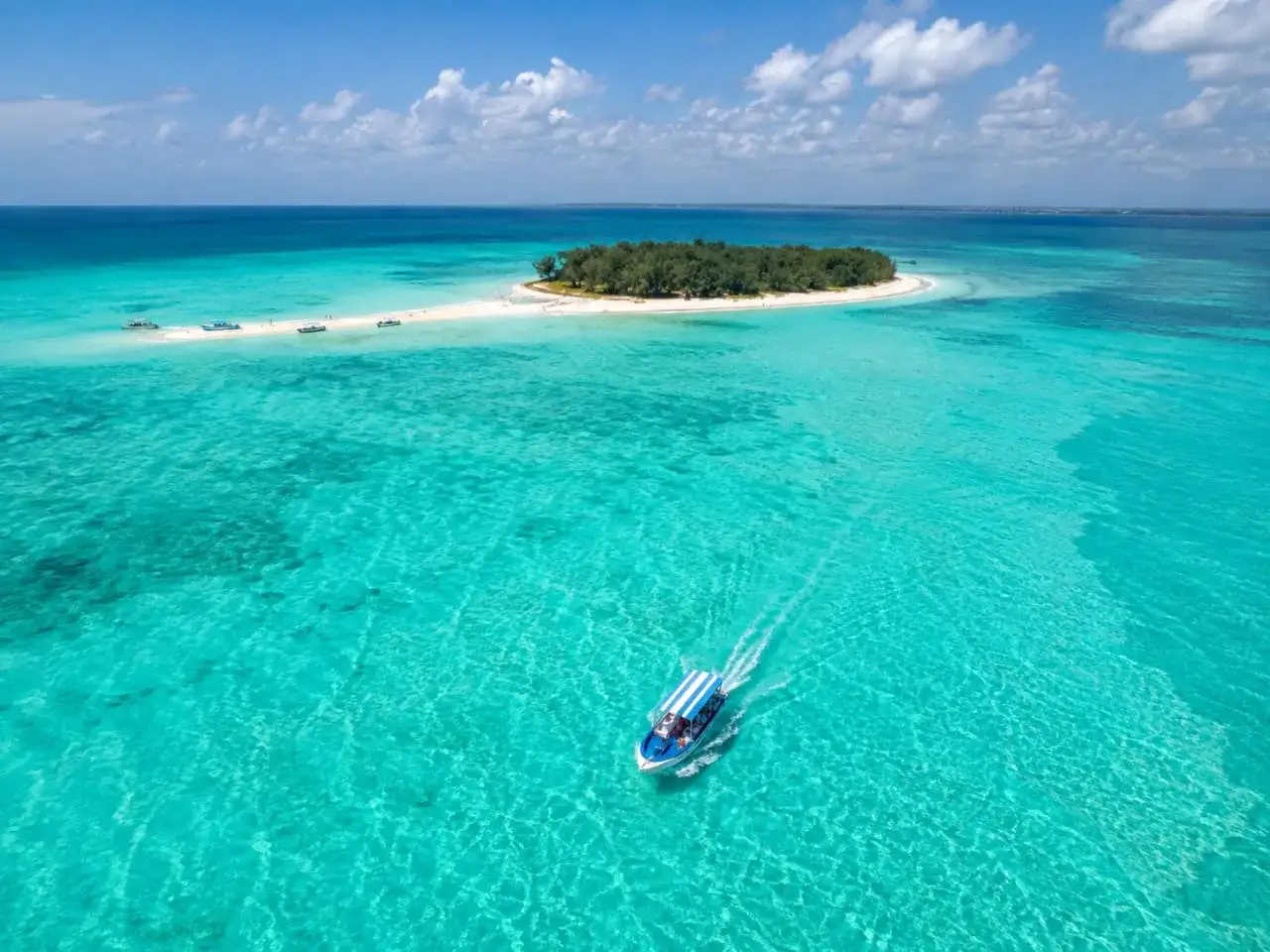
Just a short hop across the water from mainland Tanzania - of which Zanzibar is a semi-autonomous part is this lush array of islands. It’s impossible not to be enchanted as you approach from the air: clear, sparkling waters, darkened only by patch reefs, and punctuated by the billowing triangular, white sails of passing dhows.
On land, chic beach retreats, intimate converted palaces, private island villas and fun family-friendly resorts offer warm welcomes and totally tropical experiences. Be it trailblazing models of responsible tourism or world-class sophistication, the options are myriad.
The capital’s heart, ’Stone Town’, is an UNESCO Heritage Site: a labyrinth of narrow winding alleys dotted with bustling markets, eclectic souvenir shops and fine merchant houses hidden behind intricately carved doors. It’s an exotic urban backdrop and a fascinating insight into the islands’ Omani heritage.
For many, it’s the Indian Ocean beach experience that has the greatest lure: palm-lined stretches of powder-white coral sands, warm waters and coral gardens teeming with marine life. From adrenalin sports to simple seaside fun; sipping sundowners to deep-sea diving; some of the islands’ most magical moments definitely centre on the sea.
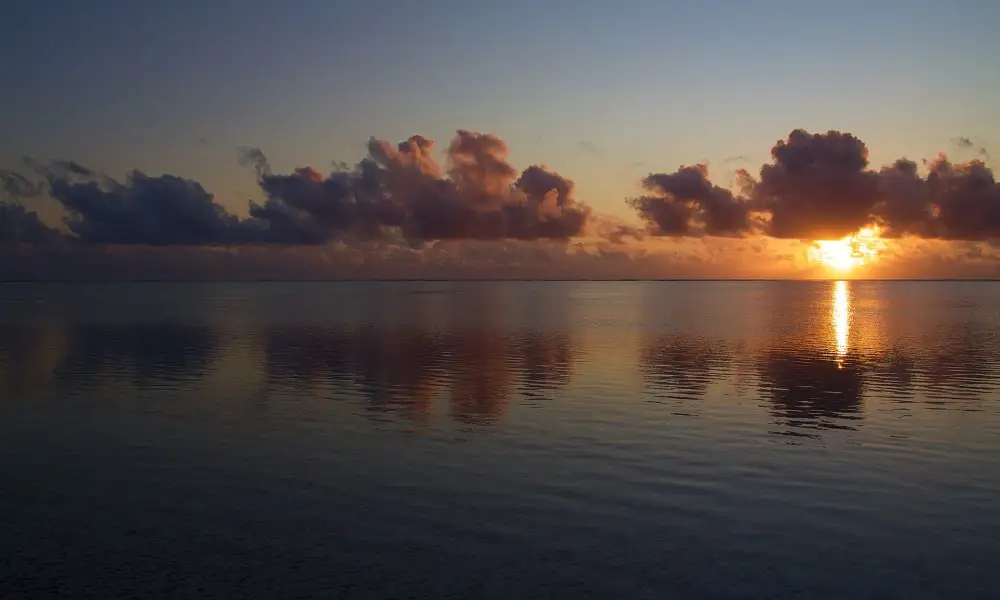
Above the waves, kite-surfers showcase their aquatic aerobatics, snorkellers ply the shallow lagoons and traditional dhows take fishermen in photogenic flotillas beyond the reef. Below the surface, tropical fish and turtles entice divers of all abilities, and starfish-studded intertidal walks are fascinating. And from the shoreline, watching golden sunsets melt into the sea make for perfect ends to laid-back island days.
What "Safari" Means in a Zanzibar Context
The word safari causes genuine confusion for Zanzibar visitors because the island's most popular full-day boat tour is called Safari Blue. That excursion a dhow trip around Menai Bay with snorkelling, a sandbank stop, and a seafood lunch is an excellent day out, but it has absolutely nothing to do with wildlife drives. There are no lions, elephants, or wildebeest on Zanzibar. When travellers ask about a "Zanzibar safari," they usually mean one of two things: the Safari Blue boat trip, or combining the island with a mainland Tanzania safari itinerary. This guide covers the latter in detail.
Why Tanzania Safari + Zanzibar Works So WellTanzania is home to some of the greatest wildlife concentrations on earth the Serengeti–Mara ecosystem, the Ngorongoro Crater, and the vast Nyerere (formerly Selous) and Mikumi national parks in the south. Zanzibar is 35 kilometres off the coast of Dar es Salaam. The combination works logistically and experientially: you go from red-dust game drives at dawn to white-sand beaches at sunset, without leaving the same country or changing visa. The "bush and beach" itinerary is now Tanzania's dominant tourism product, and the infrastructure to support it is well-developed.
The Main Safari DestinationsSerengeti National Park is the centrepiece of most northern circuit safaris. The ecosystem covers roughly 30,000 sq km and hosts the annual Great Migration 1.5 million wildebeest, 250,000 zebra, and 400,000 gazelle moving in a continuous clockwise circuit. River crossings at the Grumeti (May June) and Mara (July October) rivers are the most dramatic wildlife spectacle in Africa. The park's central Seronera valley offers year-round lion and leopard sightings.
Ngorongoro Conservation Area is usually combined with Serengeti on a northern circuit. The crater floor 260 sq km enclosed by a collapsed volcanic caldera holds one of the densest concentrations of wildlife on earth: approximately 25,000 large mammals including the Big Five, plus the highest density of lions in Africa. It is also home to a small, critically endangered population of black rhino. Most visitors descend for a half-day game drive and overnight at one of the lodges on the crater rim.
Nyerere National Park (formerly Selous Game Reserve, renamed in 2019) is the largest national park in Africa at roughly 50,000 sq km, and receives a fraction of Serengeti's tourist numbers. It offers walking safaris, boat trips on the Rufiji River, and high-quality fly-camping. Wildlife includes large elephant herds, wild dog (one of the best populations in Africa), crocodile, hippo, lion, and leopard. Access is via Dar es Salaam, making it a natural pairing with Zanzibar.
Mikumi National Park is the most accessible safari destination from Dar es Salaam by road (about 3- 4 hours) and sees significant day-trip and weekend traffic from the capital. It's a credible option for travellers with limited time who want a genuine game drive before catching a ferry or flight to Zanzibar. Wildlife is good lion, elephant, giraffe, wildebeest, zebra but the park is smaller and can feel crowded on weekends.
How to Fly Between Safari and ZanzibarThe northern circuit safari (Serengeti/Ngorongoro) is based around Arusha, which is served by Kilimanjaro International Airport (JRO), roughly 45 km east of town. Zanzibar is served by Abeid Amani Karume International Airport (ZNZ). There is no scheduled non-stop between JRO and ZNZ; you either fly via Dar es Salaam (Julius Nyerere International, DAR) or take a bush flight on carriers like Coastal Aviation or Auric Air that hop between northern airstrips and Zanzibar with one intermediate stop. Total journey time door-to-door from a Serengeti camp to a Zanzibar beach hotel is typically half a day.
For the southern circuit (Nyerere/Mikumi), Dar es Salaam is the hub. From DAR, Zanzibar is a 20-minute flight on multiple daily departures (Precision Air, Air Tanzania, Coastal) or a 2-hour fast ferry across the channel.
Sample Itineraries10-Day Classic Bush and Beach
Day 1: Fly into Kilimanjaro, drive to Arusha, overnightDays 2–4: Serengeti (3 nights, central or northern depending on migration timing)Day 5: Ngorongoro Crater full-day drive, overnight on rimDay 6: Fly Arusha–Zanzibar via Dar es SalaamDays 7–10: Zanzibar (Stone Town + beach resort)7-Day Southern Circuit Compact
Day 1: Fly into Dar es SalaamDays 2–3: Nyerere National Park (2 nights, boat safari + game drive)Day 4: Fly Dar–Zanzibar (20 minutes)Days 5–7: Zanzibar (Stone Town, beach, Safari Blue or snorkelling)Best Time to CombineThe overlap between optimal safari season and optimal Zanzibar beach weather is most reliable from June to October. The Tanzanian mainland is dry, dust-free, and vegetation is short (making wildlife easier to spot). Migration river crossings peak in July–September. Zanzibar's southeast trade winds bring reliably sunny skies and calm sea conditions.
December to February is the second-best window. The short dry season hits both areas; Serengeti's southern plains see wildebeest calving in January February (a remarkable sight in its own right), and Zanzibar is hot and calm.
March to May is the long rainy season on both the mainland and Zanzibar. Some camps close; roads can become impassable. Prices drop significantly and the landscape is lush and green, but this is not recommended for first-time visitors.
Booking and LogisticsSafari operators based in Arusha (for northern circuit) or Dar es Salaam (for southern circuit) can package the full itinerary including internal flights, safari accommodation, and Zanzibar hotel. Booking independently saves money but requires coordinating multiple providers. Allow at least 4–6 months lead time for peak season (July–August, December–January) and confirm internal flight schedules carefully — small bush planes operate on flexible schedules and are subject to weather delays.
Frequently asked questionsCan you do a safari from Zanzibar?Not a land safari Zanzibar is an island with no game reserve. The closest wildlife experience on the island itself is Jozani Forest (red colobus monkeys) and the Safari Blue boat excursion. To see elephants, lions, and wildebeest you need to fly to the Tanzanian mainland and join a safari to Serengeti, Ngorongoro, or Nyerere.How long does the flight from Zanzibar to Arusha take?Direct flights operated by Auric Air, Coastal Aviation, and Precision Air typically take 1 hour 15 minutes to 1 hour 45 minutes depending on routing. Most flights stop once in Dar es Salaam or fly direct. There is no scheduled non-stop between Zanzibar (ZNZ) and Kilimanjaro (JRO), though charter options exist.What is the best month to combine Serengeti and Zanzibar?June to October is the sweet spot: the Great Migration calving and river-crossing season aligns with Zanzibar's dry, low-wind southeast trade wind season ideal beach weather. December to February also works well: the short dry spell hits both regions, and the Serengeti sees wildebeest in the south. Avoid March to May (long rains on both sides).
Where to stay
Lodges & camps
nearby.
 Tented camp
Serengeti National Park
Osero Serengeti Tented Camp
Osero (the Masai word for "Bush") Serengeti Tented Camp is located in the heart of the African Wilderness. The camp is an…
Tanzania
View
 Hotel
Zanzibar
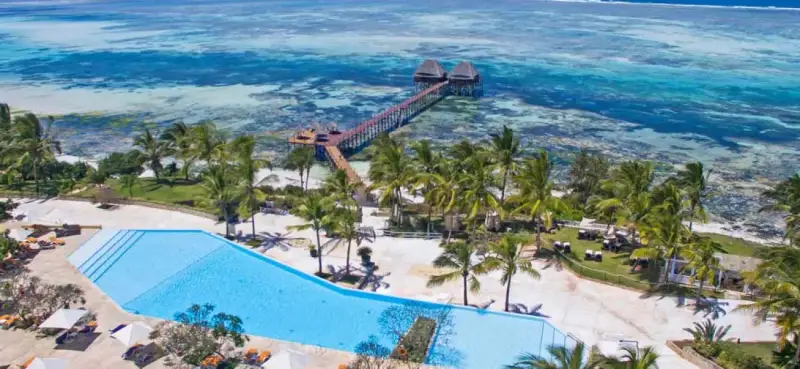
Gran Melia Zanzibar
The Level Grand Suite Zanzibar Visit Spice Island and stay in an exquisite suite with a bedroom, a fully furnished bathroom,…
Tanzania
View
Begin your journey
Start planning
your safari.
Tell us your dates, your budget and the wildlife you dream of seeing. We'll reply with a free, tailor-made itinerary.
- Tailor-made itineraries
- Local Tanzanian team
- Private vehicles & guides
- Fast WhatsApp replies


